How to Get a Dubai VARA License Easily in 2026 with Zentral?
Business Setup
18th April 2026

As the global landscape of digital finance continues to evolve rapidly, Dubai has solidified its position as the world's premier destination for Virtual Asset Service Providers (VASPs). Central to this success is the Virtual Assets Regulatory Authority (VARA), the first specialized regulator of its kind. For businesses seeking to secure a VARA license in 2026, regulatory compliance complexity can be a significant barrier. However, by leveraging Zentral's strategic infrastructure, obtaining a license becomes a streamlined, efficient, and far more manageable process. Zentral serves as the ultimate business hub and coworking ecosystem, providing the mandatory physical substance and professional environment required by VARA within the Dubai World Trade Centre (DWTC) free zone, a jurisdiction specifically optimized for the virtual asset economy.
Understanding the Role of Zentral in Your VARA Application
To succeed in the Dubai market, one must recognize that VARA does not just evaluate business models; it evaluates the operational substance of the applicant. A critical requirement for any VASP license is a verified physical office lease within a compliant jurisdiction. Zentral (zentral.world) is strategically located in the DWTC area, which is a VARA-authorized free zone.
By choosing Zentral, we ensure that your business meets the physical presence requirements without the typical overhead and delays of traditional commercial real estate. In 2026, where "flexibility" is the hallmark of Web3 firms, Zentral bridges the gap between digital-native operations and the physical regulatory standards of the Emirate of Dubai.
The VARA Licensing Process: A Comprehensive 2026 Walkthrough
The journey to becoming a licensed VASP in Dubai is structured into two distinct, high-impact stages. We recommend following this path to ensure no delays in your market entry.
Stage 1: Approval to Incorporate (ATI)
The first phase involves seeking permission to establish the legal entity.
- Initial Disclosure Questionnaire (IDQ): You must submit an IDQ through the Department of Economy and Tourism (DET) or a relevant Free Zone authority like DWTC. This document outlines your UBO (Ultimate Beneficial Owner) structure and proposed activities.
- Business Plan Submission: A highly detailed Regulatory Business Plan is required, mapping your commercial goals to VARA's specific activity categories.
- Initial Fee Payment: Typically, 50% of the license application fee is paid at this stage to initiate the review.
Stage 2: Full VASP License
Once you receive the ATI, you move toward the final operational authorization.
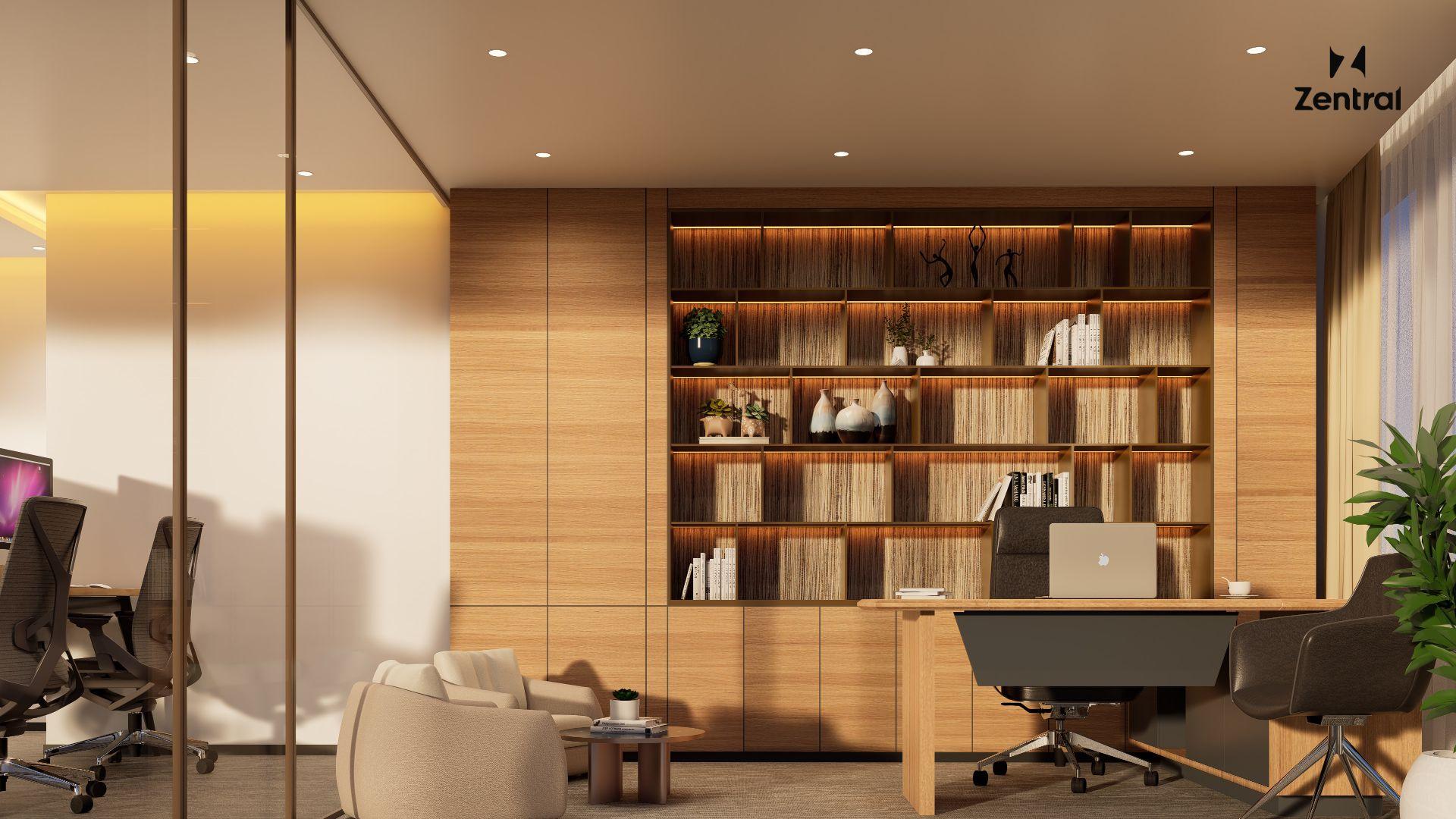
- Operational Setup: This is where Zentral becomes your greatest asset. You must provide a lease agreement for a private physical office. Zentral's DWTC-compliant spaces let you fulfill this requirement instantly.
- Policy Assessment: VARA will review your internal manuals, including your AML/CFT framework, cybersecurity protocols, and technology risk assessments.
- Final Approval: After a series of interviews and potential document refinements, you pay the remaining fees and receive your VASP License.
Strategic Licensing Categories for Virtual Asset Providers
In 2026, VARA regulates a wide array of activities. It is vital to identify which category your business falls under to ensure you apply for the correct Rulebooks.
- VA Advisory Services: Providing investment advice and research regarding virtual assets.
- VA Broker-Dealer Services: Facilitating the purchase and sale of virtual assets for clients.
- VA Custody Services: Safekeeping and managing virtual assets for third parties (requires hot/cold wallet security proofs).
- VA Exchange Services: Operating a platform where virtual assets are traded or converted to fiat.
- VA Management and Investment Services: Managing portfolios of virtual assets on behalf of clients.
- VA Lending and Borrowing Services: Managing agreements where virtual assets are provided as credit.
- VA Transfer and Settlement Services: Facilitating the transmission of virtual assets between parties.
Category 1 VA Issuance is another specialized area, specifically for Fiat-Referenced Virtual Assets (FRVAs). If you are issuing a stablecoin pegged to a currency other than the AED (which falls under the UAE Central Bank), you must adhere to the VARA Issuance Rulebook.
Key Requirements and Compliance Pillars in 2026
To get a Dubai VARA license easily, your application must be airtight. We highlight the following compliance pillars that every applicant must master:
1. Physical Substance and Local Presence
VARA does not permit "shelf companies." You must have senior management based in Dubai. This includes a Compliance Officer (MLRO) and a Senior Executive Officer who are residents. Zentral provides the professional backdrop for these individuals to operate, ensuring that during regulator visits, your business demonstrates a genuine, active presence.
2. Capital and Prudential Requirements
Every activity has a minimum Paid-Up Capital requirement. For example:
- Advisory Services: Minimum AED 100,000.
- Exchange/Custody Services: Can range from AED 400,000 to AED 800,000 or 15% of annual overheads.
- Additionally, you must maintain Net Liquid Assets worth at least 1.2 times your monthly operating expenses at all times.
3. Mandatory Rulebooks
Every VASP must comply with four Compulsory Rulebooks:
- Company Rulebook: Focuses on governance and corporate structure.
- Compliance and Risk Management Rulebook: Includes AML/CFT and KYC standards.
- Technology and Information Rulebook: Sets the bar for cybersecurity, data protection, and wallet architecture.
- Market Conduct Rulebook: Prevents market manipulation and ensures transparent advertising.
Why DWTC and Zentral are the Strategic Choice
The Dubai World Trade Centre (DWTC) is more than just a venue; it is a regulated ecosystem designed for the global digital economy. When you set up with Zentral in the DWTC area, you gain:
- Direct Alignment: DWTC works in close coordination with VARA, meaning the administrative transition from a "non-operational license" to a "full operational license" is much smoother.
- Networking Potential: Being situated at Zentral puts you in the same room as other innovators, Web3 founders, and fintech leaders.
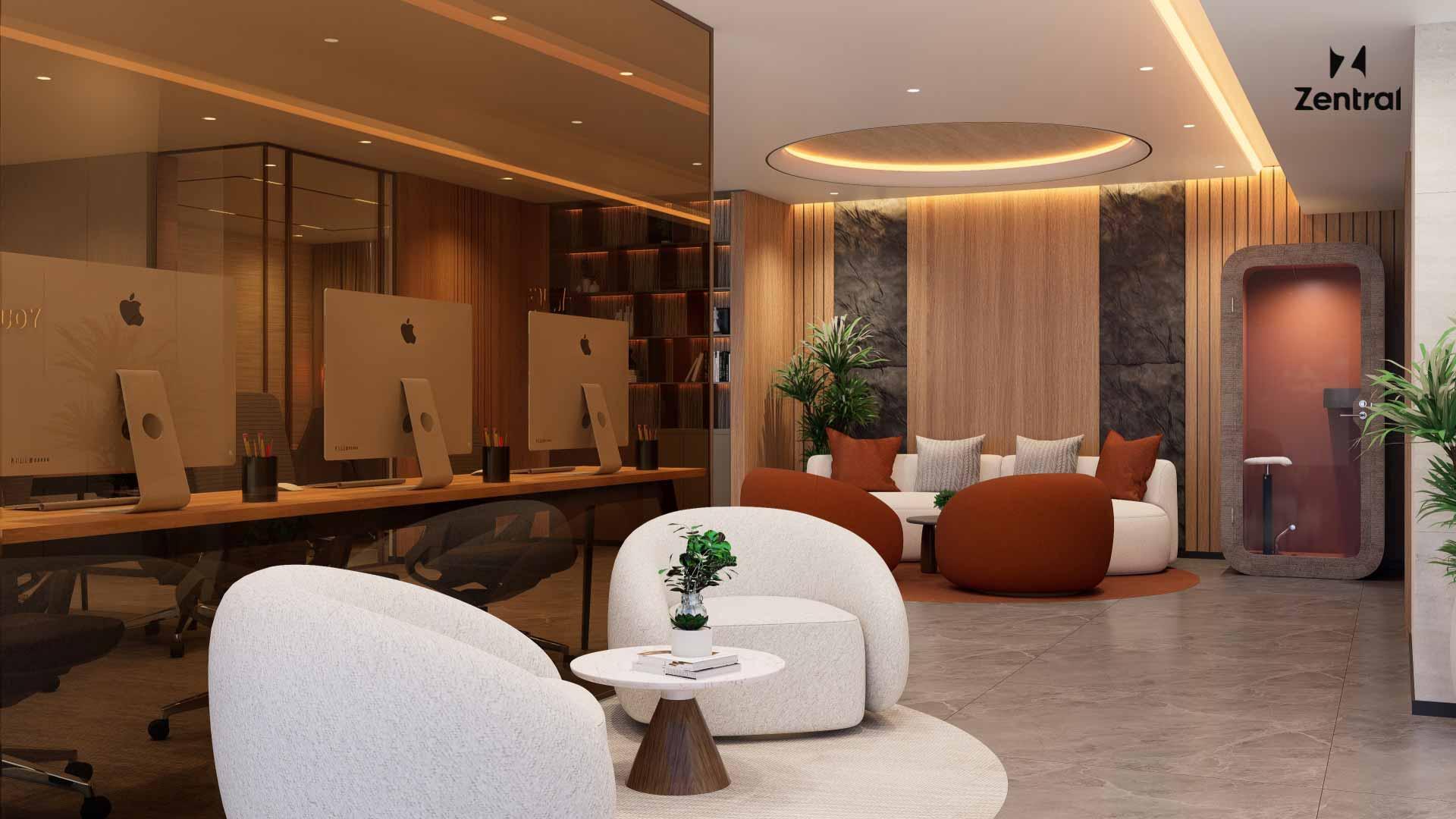
- Infrastructure Excellence: From high-speed encrypted connectivity to high-end boardrooms for VARA board meetings, Zentral provides the technical and professional environment that VARA expects from a top-tier VASP.
Elevate your business today. Choose Zentral.
VARA Licensing Fees and Timeline Expectations
Understanding the financial and time commitments is crucial for resource planning.
Advisory Services
- Application Fee: 40,000 AED
- Annual Supervision Fee: 80,000 AED
Exchange Services
- Application Fee: 100,000 AED
- Annual Supervision Fee: 200,000 AED
Custody Services
- Application Fee: 100,000 AED
- Annual Supervision Fee: 200,000 AED
Broker-Dealer
- Application Fee: 100,000 AED
- Annual Supervision Fee: 200,000 AED
Timeline: On average, the process from IDQ submission to VASP license issuance takes between 4 and 7 months, depending on the complexity of your technology stack and the responsiveness of your compliance team. Using Zentral's pre-configured office solutions can shave weeks off the Stage 2 timeline by removing the hurdles of commercial property procurement.
Final Expert Tips for a Successful Application
- Engage Early: Do not wait until your tech is finished to talk to VARA. Use an Initial Disclosure to test the waters.
- Audit Your Tech: Ensure your wallet management and transaction monitoring (using tools like Chainalysis or Elliptic) are ready for a technology audit.
- Prioritize AML: Dubai has a zero-tolerance policy for financial crime. Your AML/CFT manuals must be localized and specific to UAE laws, not just "borrowed" from other jurisdictions.
- Leverage Zentral: Use Zentral as your local base to host interviews and demonstrate to regulators that your company is a serious, long-term contributor to the Dubai digital economy.
By combining the regulatory rigor of VARA with the operational excellence of Zentral, your business can navigate the complexities of 2026 with confidence. Dubai is ready for your innovation—position yourself correctly from day one.